If Istanbul is the city where East meets West, then Balat is the place where centuries of history still breathe — through terracotta-red walls, ancient cobalt-blue doors, and cobblestone streets worn smooth by countless generations of footsteps.
A Neighborhood Time Never Forgot
Balat sits on the European shore of Istanbul, hugging the banks of the Golden Horn. Its name derives from the Greek Palation — meaning "palace" — a nod to its glorious past as part of the Byzantine Empire, when this hillside was woven into the fabric of Constantinople's grandeur.
But Balat's true character was forged during the Ottoman era. When Sultan Mehmed II conquered Constantinople in 1453, he invited Sephardic Jewish communities — expelled from Spain — to settle here. Over the following centuries, Balat became home to a rare mosaic of peoples: Jews, Greeks, Armenians, and Muslims living side by side, each leaving their mark on its streets, synagogues, churches, and kitchens.
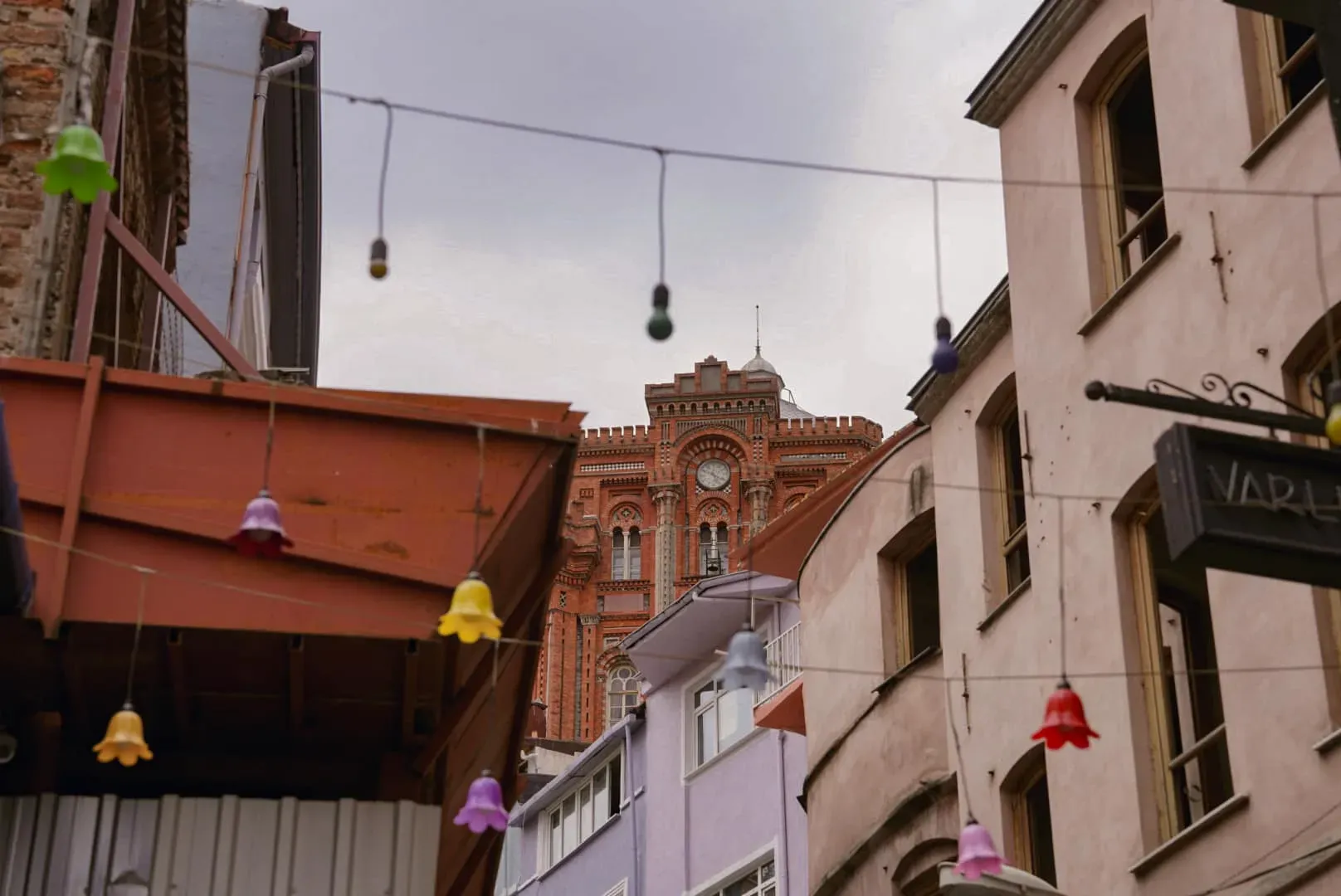
"Balat is not just a neighborhood in Istanbul — it is living proof that people of different faiths and cultures can build a home together, painted in colors no single tradition could have invented alone."
Colors That Tell a Story
The vivid facades of Balat were no accident. Under Ottoman custom, non-Muslim communities were permitted to paint their homes freely, while other districts often faced stricter regulations on appearance. Balat became a giant open canvas — brick red, cobalt blue, lime green, mustard yellow, and dusty rose stacked along steep cobblestone lanes like pages from a fairy tale.
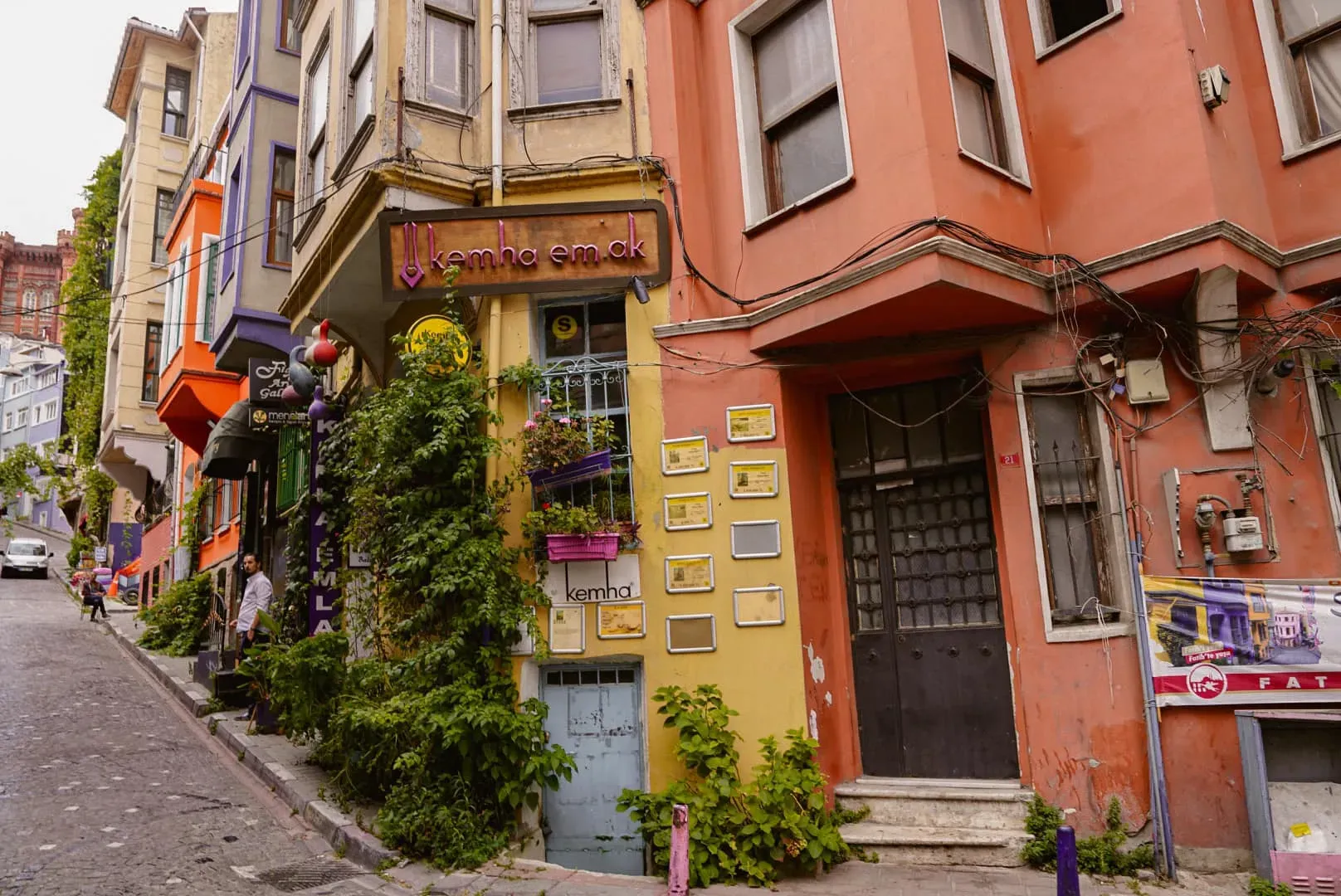
The neighborhood fell into quiet neglect through much of the 20th century, but a wave of restoration projects in the 2000s brought Balat's palette roaring back to life. Today, those colors are both heritage and identity — as deliberate and meaningful as they ever were.
Balat Today
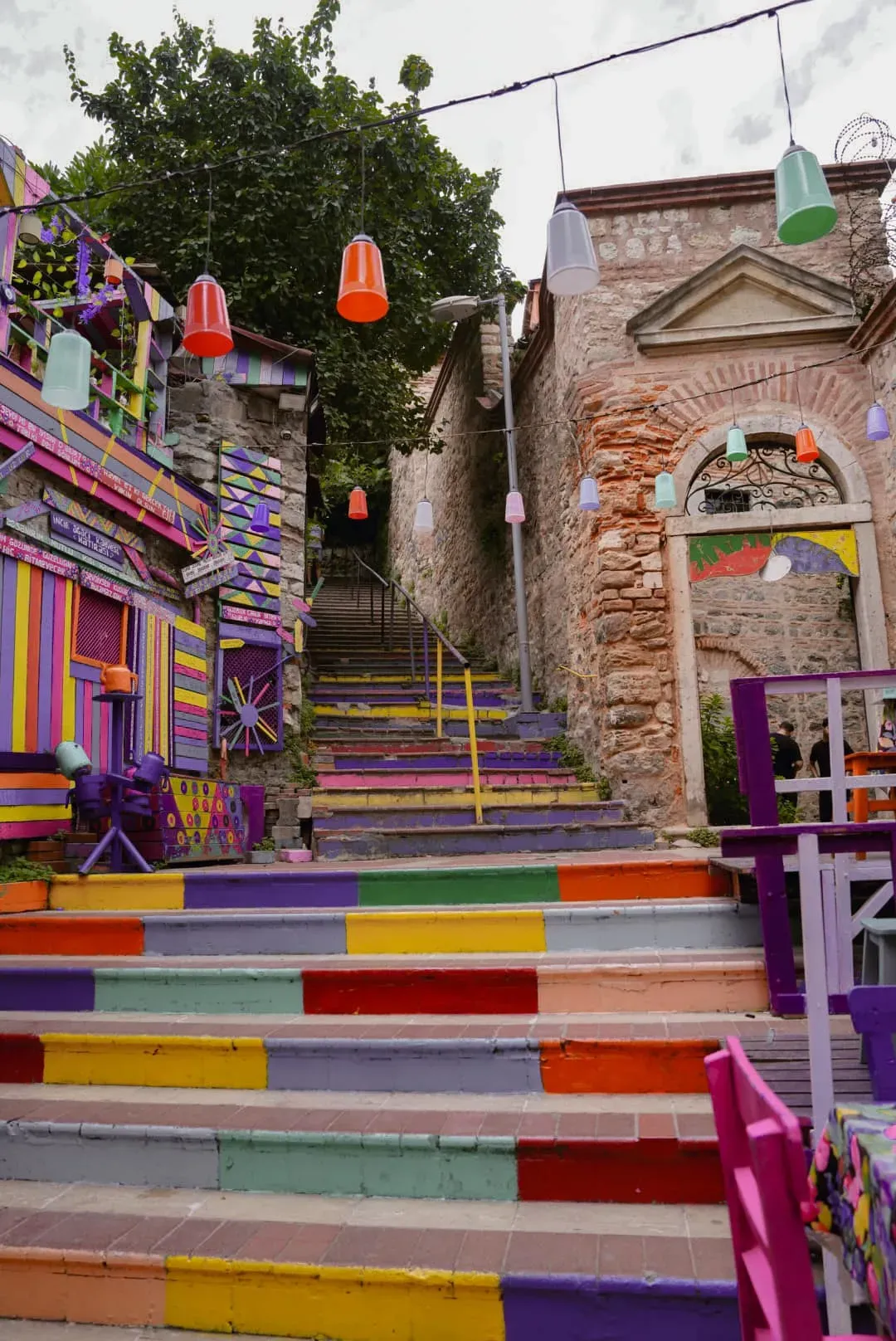
Balat is now one of Istanbul's most magnetic neighborhoods. Visitors and locals alike wander its winding alleys, photograph the rainbow stairways, sip Turkish coffee in cafés tucked into the ground floors of century-old townhouses, and hunt for street murals hidden around every corner.
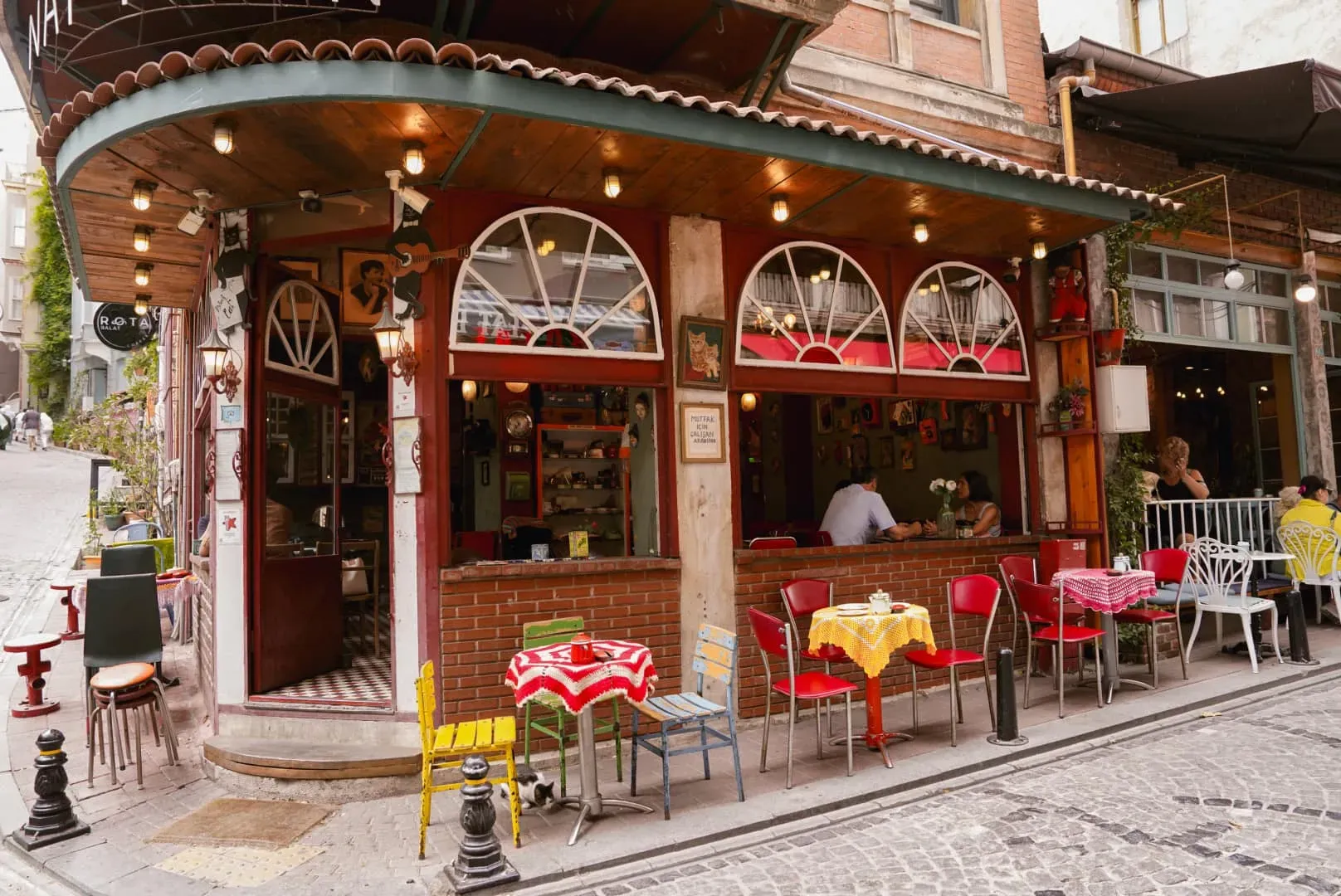
The food scene layers old and new with equal confidence — smoky kebabs and mezze platters sit alongside specialty coffee roasters and weekend antique markets. Vintage shops, ceramic studios, and handcraft ateliers have moved into spaces once occupied by cobblers and spice merchants. The result is a neighborhood where the ancient and the contemporary don't just coexist; they seem genuinely fond of each other.
"Walking through Balat feels like stepping into a parallel world — one street over from Istanbul's gleaming malls, a woman ladles pickled olives from the same iron barrel her grandmother used decades ago."
Fragments of the Trail
Written by
Natthawat Phongchit
Explore beautiful destinations, travel tips, hidden gems, and unforgettable experiences to inspire your next adventure.